Amish-Built Sheds
Amish-Built Sheds: What It Means, Costs, and How to Buy One
Amish built sheds have become the quality shorthand of the shed world: buyers search for them specifically, dealers put “Amish” in their names, and big-box listings borrow the word for products that may never have seen an Amish shop. Somewhere under the marketing is a real thing worth paying for.
- Vetted local builders
- Free quotes
- 24–48h response
This guide is the national answer the search results don’t have. Every page ranking for Amish sheds right now is a regional dealer or a kit reseller — each one selling you their inventory. We match homeowners with vetted builders in all 50 states, including Amish shops, so we can explain what the label actually means, what it costs, and what to check, without steering you to a lot.
What makes a shed Amish-built?
An Amish-built shed is constructed by Amish craftsmen, typically in a workshop in one of the Amish settlement regions, then delivered as a finished building. The value isn’t the label. It’s the build culture behind it: craftsmanship by hand, framing that tends to exceed minimums, and shops that live on their local reputation.
That’s the definition. Now the part the sales pages skip.
Amish-built vs “Amish-made” kits: the difference that matters
Search for Amish sheds and the shopping results fill with “Amish Made” kits at tempting prices. Read carefully, because two different products share one word.
An Amish-built shed arrives as a finished building. Craftsmen framed it, sided it, roofed it, hung the doors, and stood behind the result. It comes off a truck, gets leveled on your site, and you put a lock on it that afternoon.
An Amish-made kit is a stack of pre-cut panels and parts. Amish hands may have cut every board, and the materials can be genuinely good. But nobody built the shed. You will, or your contractor will. The foundation, the assembly, the square-and-plumb, the finishing: all yours. And the warranty typically covers the parts rather than the building, because there is no building until you make one.
The price gap tells the story. The kits filling the shopping results run roughly $1,650 to $12,000 as boxes of parts, while finished Amish-built inventory from dealers starts around $3,000 and climbs past $25,000 for large buildings. That difference is the labor, the skill, and the accountability of a finished product.
Neither product is a scam. But a kit cut by Amish craftsmen is not an Amish-built shed. If the craftsmanship is what you’re paying for, make sure it comes assembled.
What quality actually looks like
“Amish quality” gets thrown around loosely, so here’s what it means in checkable terms. These are the markers Amish shops and their dealers commonly advertise, and what our builders tell us separates a premium build from a commodity one:
- Framing density. Premium builds commonly frame floors and walls at 16 inches on center where economy sheds stretch to 24. Ask for the spec; a good dealer answers without checking.
- Floor construction. The floor takes the abuse, so quality builds put money there: pressure-treated skids and joists, tighter joist spacing, and plywood or engineered flooring rated for weight. A mower-and-workbench shed lives or dies by its floor.
- Materials. Kiln-dried lumber, LP SmartSide or true T1-11 siding, and architectural shingles show up as standard on quality builds rather than upgrades.
- Doors and details. Hand-built wooden doors, real hinges, and trim that’s fastened rather than stapled. Doors are where economy builds cut first, and it shows within a year.
- Fasteners and joinery. Screwed and nailed connections instead of staples; some premium timber-style builds advertise traditional joinery like mortise-and-tenon on structural elements. Where a shop advertises it, ask to see it.
- Workmanship warranties. Dealers of Amish-built structures commonly advertise long coverage, some as far as 20-year guarantees on their sheds. The number matters less than what it covers: workmanship and structure, in writing.
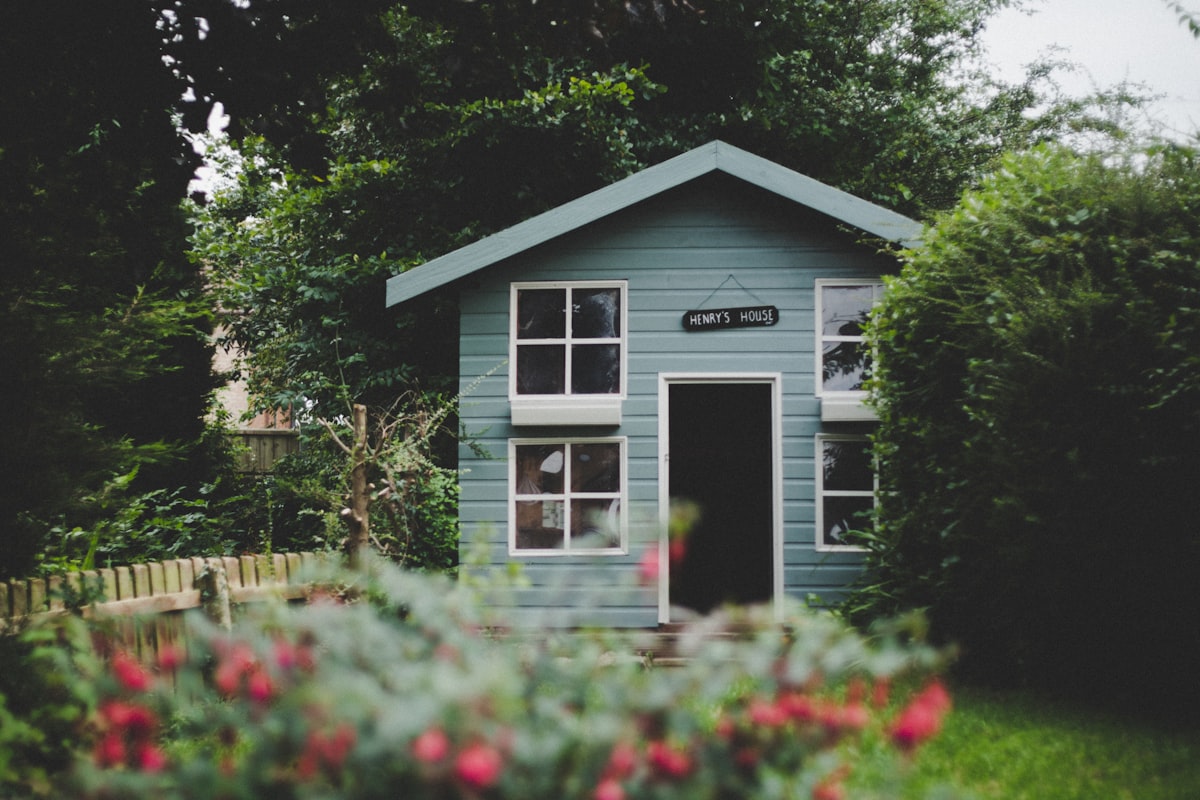
None of this is exclusive to Amish shops, which is worth saying plainly. Excellent non-Amish builders match every marker above. The Amish reputation earns the search traffic; the spec sheet earns the purchase.
How Amish shops actually build
Understanding the process explains both the quality and the quirks of buying one.
Most of the work happens in the shop, not your yard. A typical shop builds either to order or for a dealer’s lot inventory: framing, siding, roofing, doors, paint or stain, all completed indoors by a small crew that has built the same models hundreds of times. Repetition is underrated as a quality mechanism. The crew that hangs its two-thousandth door hangs it square.
Build-to-order lead times typically run a few weeks, stretching longer in the spring rush when everyone wants a shed by Memorial Day. In-stock buildings on dealer lots ship in days, which is the trade: instant availability against choosing your own siding, colors, doors, and layout.
Then the building travels. Finished sheds move by truck and trailer, and wider models can require escort arrangements depending on the route and state rules. This is why the delivery radius question matters so much in this corner of the market: the product is excellent, and it is also a building on a highway.
How much does an Amish shed cost?
Amish-built sheds typically land in the middle to upper half of standard delivered-shed pricing: a craftsmanship premium, not a luxury one. Using the same size ranges as our shed cost guide:
| Size | Delivered shed range | Where Amish-built typically lands |
|---|---|---|
| 8×10 | $2,400 – $3,600 | Upper half |
| 10×12 | $3,000 – $4,500 | Upper half |
| 10×16 | $4,200 – $6,300 | Upper half |
| 12×16 | $5,500 – $8,500 | Mid to upper |
| 12×24 | $8,500 – $13,000 | Mid to upper |
| 16×20 | $9,500 – $14,500 | Mid to upper |
Real-world confirmation: Jim’s Amish Structures, a Pennsylvania dealer, lists its storage shed inventory from $3,030 to $26,990. The low end matches a basic 10×12, and the high end reaches large multi-purpose buildings. That spread is the honest picture: entry Amish-built pricing starts near standard delivered pricing, and size, siding, and add-ons carry it up from there.
What moves an Amish shed price is the same list that moves any shed price. Upgraded siding, taller walls, dormers, lofts, porches, and extra doors and windows each add material and shop hours. A base gable model and a fully loaded lofted barn of the same footprint can sit thousands of dollars apart on the same dealer lot, which is why quoted “Amish shed prices” range so widely online. Get the itemized quote and the ranges stop being mysterious.
Two budget notes that don’t change because the builder is Amish. First, the shed price isn’t the project price: foundation, and electrical if you want power, are their own lines, and the practical rule from our cost guide is to hold back another 15 to 25% for site work and extras. Second, many Amish-shed dealers offer rent-to-own, the same no-credit-check structure covered in our guide, with the same math to read before signing: roughly 1.5 to 1.7 times the cash price on a 36-month term.
Are Amish sheds worth it?
If you’re comparing against an economy shed or a big-box kit: usually, yes. The build-quality gap is real, warranty coverage tends to be longer, and a shed you’ll own for twenty years rewards the better build every year you own it.
There’s also a paperwork dividend. A written workmanship warranty from an established shop has resale value when you sell the house, and documentation matters if a storm claim ever puts your shed in front of an insurance adjuster. Cheap sheds rarely come with paper worth keeping.
If you’re comparing against any well-built custom shed: it’s a wash, and that’s the answer no dealer gives. A vetted local builder hitting the same spec (16-inch centers, quality siding, real doors, written warranty) delivers the same shed without the word “Amish” on the invoice. Pay for the spec and the warranty rather than the branding.
Where it’s genuinely not worth it: paying an Amish premium for a kit you assemble yourself, or paying freight to haul a Pennsylvania shed across five states when an equivalent builder delivers locally. Both happen every day.
Can you buy directly from the Amish?
Yes. Amish shops sell directly from their lots, and buying face-to-face in Lancaster County or Holmes County is half the appeal for some buyers. Know the practical realities before you drive out:
- Communication runs analog. Many shops work by phone message or in person rather than email and online configurators.
- Delivery radius is real. Shops and their dealers typically deliver free within a set radius and charge mileage past it. A shed from three states away can carry freight that erases the price advantage.
- Dealers are the normal path. Amish shops commonly sell through dealer networks, and that’s what many “Amish shed” lots are. Nothing wrong with it; just know whether you’re talking to the builder or the storefront, and whose warranty you’re getting.
The third path is the one we run: tell us what you want and where you are, and we match you with a vetted builder in your area, Amish shops included where they serve your region, with delivery and leveling in the quote.
Where Amish sheds come from
The supply is concentrated where the settlements are: Lancaster County, Pennsylvania; Holmes County, Ohio; northern Indiana around Shipshewana; with active communities in New York, Michigan, Kentucky, and Wisconsin. That geography explains the market you see online: Pennsylvania and Ohio dealers everywhere, coverage thinning fast as you move south and west.
It also explains the freight problem. If you’re in the Northeast or Midwest, an Amish-built shed is a local purchase. In Texas or Colorado, it’s often a shipped one, and shipping a finished building is not cheap. Dealer networks partially solve this by trucking inventory to lots across the country, but every mile is in the price somewhere. That’s when it’s worth asking whether a local builder matching the same spec serves you better than a distant name — and worth comparing shed styles and sizes that builders near you actually offer.
Amish garages, cabins, and bigger buildings
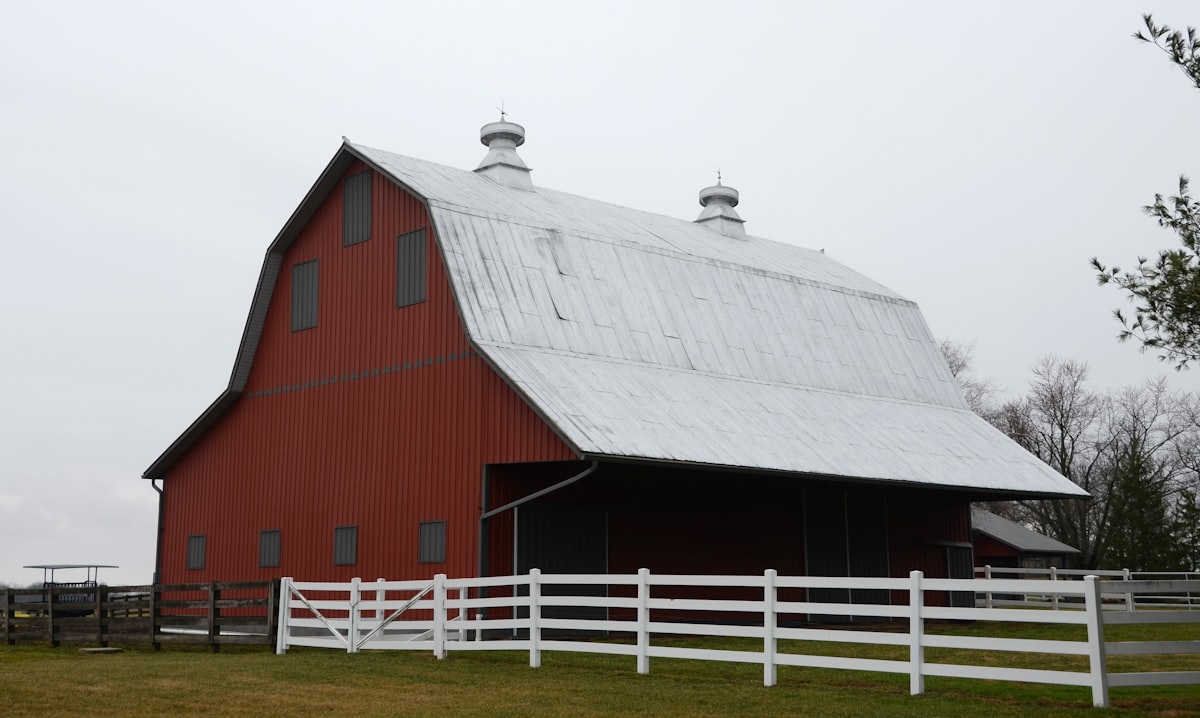
The shops don’t stop at sheds. Many Amish builders produce garages, cabins, barns, and horse structures with the same methods, and Amish garages have become their own search category as shed buyers realize the next size up solves more problems.
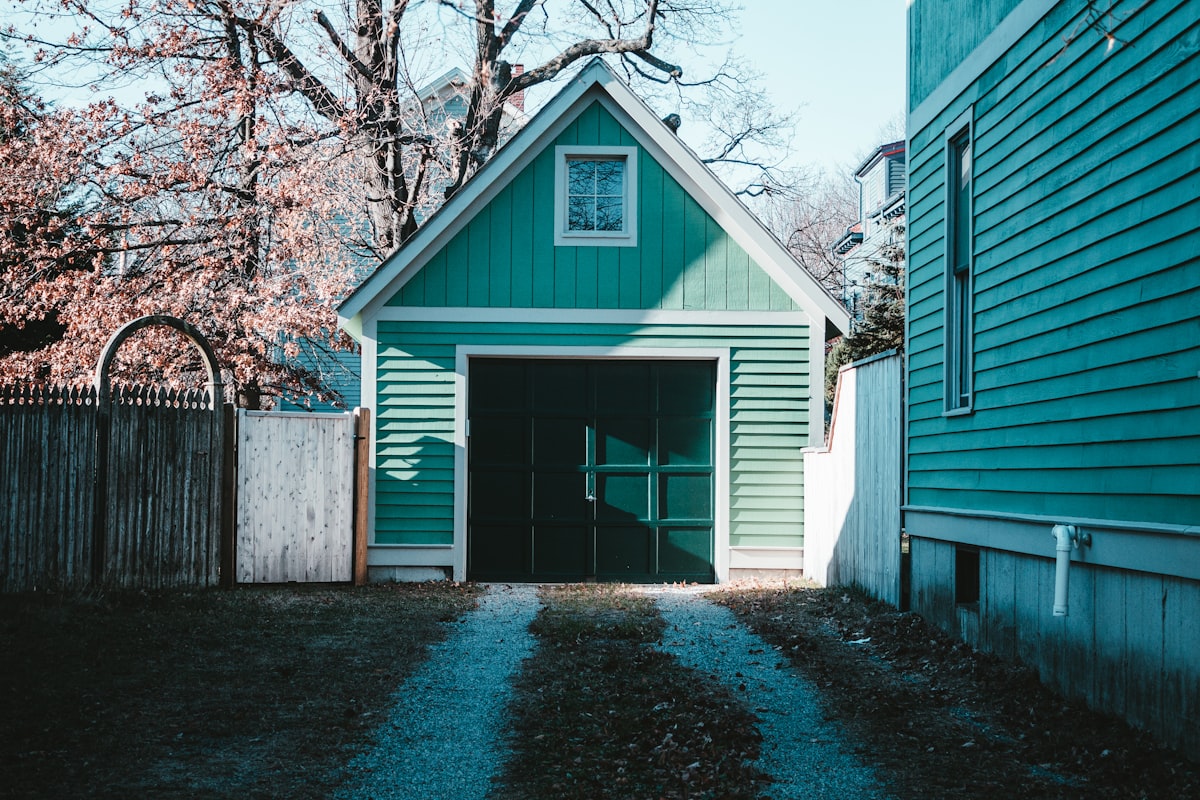
Two things change as the buildings grow. Price scales past the shed table above: the same craftsmanship on a garage footprint is a five-figure purchase, consistent with the top of the dealer ranges. And permits become certain rather than possible, because garage-sized buildings clear every state’s exemption threshold — the state-by-state rules that let a small shed skip paperwork stop applying around the 200-square-foot line. Plan the permit before the delivery date, not after.
If a garage or cabin is where you’re actually headed, say so in your quote request. Matching you to a builder who does both is easier than upgrading mid-conversation.
The buying checklist
Print this, or just ask these questions in order:
- Built or kit? Confirm you’re buying a finished, delivered building, not panels.
- Builder or broker? Ask who actually built it and whose warranty applies.
- Get the spec. Framing spacing, siding brand, roofing, floor construction. Quality dealers answer instantly.
- Warranty in writing. What’s covered, for how long, and who honors it if the dealer closes.
- Delivery and leveling included? Confirm the radius, the mileage charge past it, and that leveling on your prepared site is in the price.
- Permit check. Same rules as any shed — size and utilities decide it. Check your state’s thresholds before delivery day, not after.
- Payment path. Cash price versus rent-to-own terms if you’re spreading the cost.
A builder who answers all seven easily is the builder you want, Amish or not.
Two red flags worth naming because they recur in this market. A lot that can’t tell you which shop built its inventory is selling buildings, not builders; the “Amish” on the sign may be the only Amish thing on the lot. And a quote that’s a single number with no spec sheet isn’t a quote, it’s a price tag. Quality builds are itemizable, and every seller of one knows it.
Amish shed FAQ
Is it cheaper to buy a shed or build a shed?
Buying from a builder is usually cheaper than stick-building once you price your time and tools honestly. Either way, the shed price isn’t the project price: budget another 15 to 25% for site work and extras. Our shed cost guide breaks down the full math by size.
Do the Amish build garages and cabins too?
Yes. Many Amish shops that build sheds also build garages, cabins, barns, and horse structures, typically with the same methods and materials. Amish garages in particular are a common step up for buyers who started out shopping for a large shed.
Do Amish sheds need permits?
The same rules as any other shed. Permits go by size and utilities, not by who built it: most states exempt basic sheds under 120 to 200 square feet, and anything wired or plumbed needs a permit at any size. Our state-by-state shed permit guide has the thresholds.
What about Amish shed kits?
They’re a real product: panels and parts cut in an Amish shop, shipped to you for assembly. The materials can be excellent, but you’re the builder, so kit rules apply. You do the foundation, the assembly, and the finishing, and the workmanship warranty usually covers the parts, not your labor. Price that before choosing a kit over a delivered building.
Want Amish-level build quality without the road trip? Tell us your size, style, and ZIP code, and we’ll match you with a vetted local builder (Amish shops included where they serve your area) who delivers, levels, and stands behind the work. Get your free quote and hear back within 24 to 48 hours. No pressure.